
What Is a Bonded Seal?
Understand bonded seals, self-centring designs, threads and selection for static sealing.
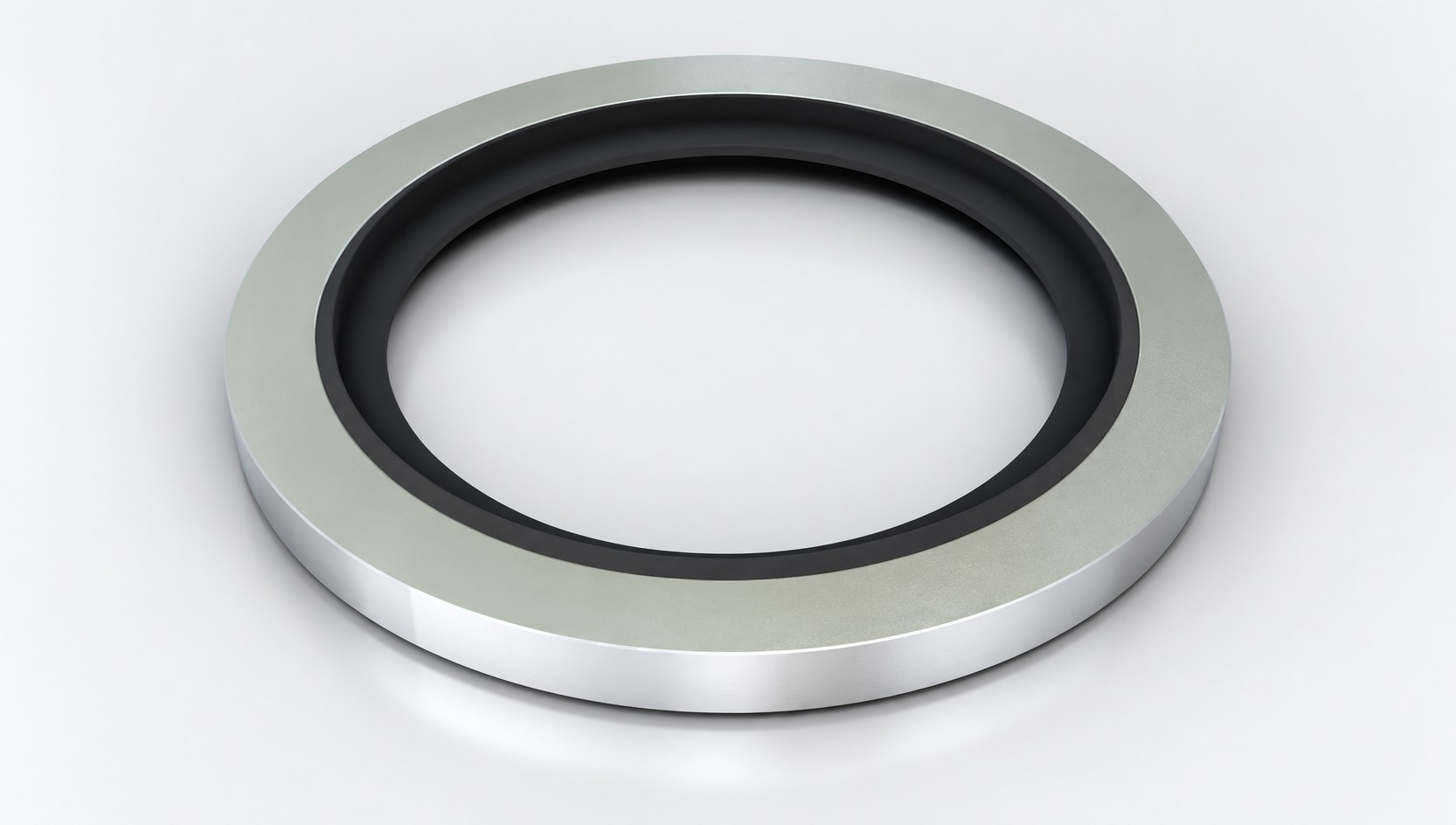
A bonded seal is a static sealing washer made from a metal ring with an elastomer element bonded to its inner diameter. It is widely used around threaded ports, hydraulic fittings and bolted connections where the joint design provides flat mating surfaces. You may also encounter the trade term “Dowty seal”. The important specification is not the nickname, but the actual design, dimensions and materials.
How does a bonded seal work?
When the fitting is tightened, the elastomer is compressed between the two mating surfaces. The surrounding metal washer supports the elastomer and helps control its deformation. The seal is intended for static joints: it is not a substitute for a moving rod seal or a piston seal. Correct compression depends on the connection geometry, tightening method, surface finish and seal dimensions.
A bonded seal should not be selected solely by its outside diameter. Two washers can appear similar yet differ in inside diameter, thickness, elastomer profile or centring feature. The mating hardware must also provide a suitable sealing face.
Standard versus self-centring bonded seals
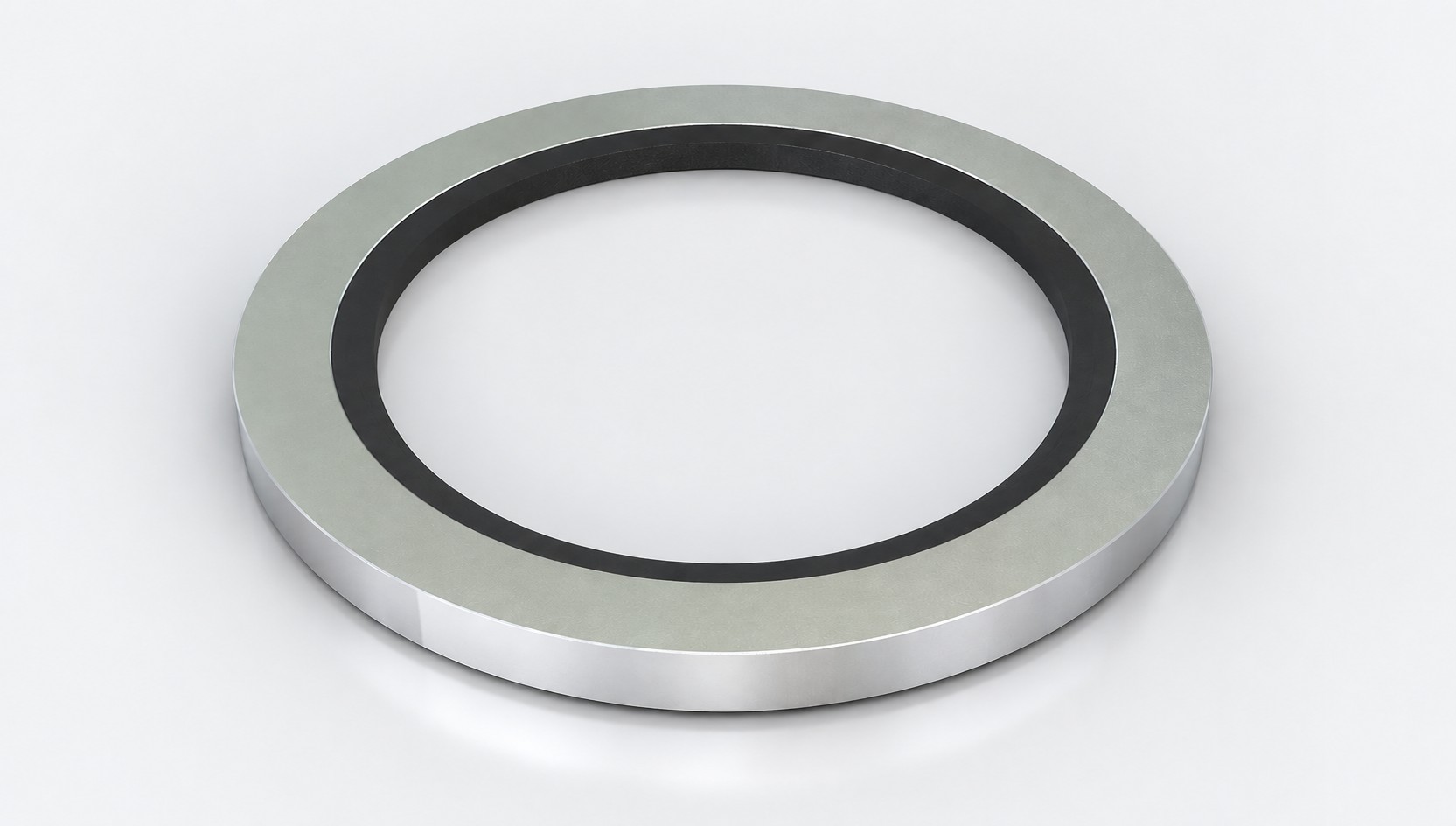
A standard bonded seal has a metal washer and bonded elastomer sealing element. During assembly, the installer must ensure that it is properly located around the fitting. A self-centring design adds an elastomer locating lip, helping the washer remain aligned with the thread or fitting. This can simplify assembly, but it does not compensate for an incompatible thread, damaged sealing face or incorrect washer dimensions.
BSP, metric and SAE: what is the difference?
These terms describe different thread systems or connection conventions. They do not, by themselves, define one universal bonded washer. A seal must match the actual fitting, seating face and relevant dimensional series. Do not assume that two fittings with similar nominal sizes accept the same seal.
| Connection reference | How it is identified | What to check |
|---|---|---|
| BSP | British Standard Pipe thread, commonly marked G or BSPP for parallel threads | Thread designation, pitch, sealing face and the matching bonded seal series |
| Metric | Metric thread such as M14 × 1.5 | Nominal major diameter, pitch, seating geometry and washer dimensions |
| SAE / UN | SAE-associated fitting or unified thread references, depending on the connection | Exact fitting standard, thread form, sealing method and specified washer dimensions |
SAE is a broad family of connection standards, not a single interchangeable bonded-seal size system. Some SAE fittings use O-rings or other sealing arrangements instead of bonded washers. Confirm the connection standard before ordering.
How to identify the thread on an existing fitting
- Check the drawing, stamped reference or original part number first.
- Measure the external thread major diameter with a suitable caliper, or the internal diameter if that is the only accessible feature.
- Determine the thread pitch using a pitch gauge. Metric pitch is commonly expressed in millimetres; inch-based threads may be specified in threads per inch.
- Check whether the thread is parallel or tapered and identify the sealing face. A bonded washer typically needs an appropriate flat seating surface.
- Compare the results against the relevant thread standard and the bonded-seal dimension table. If uncertain, send photographs and measured dimensions rather than guessing.
A measured thread diameter is not always identical to its nominal designation. For example, BSP nominal sizes do not directly state the measured outside diameter in inches. This is a common source of incorrect orders.
Choosing elastomer and metal materials
NBR is a common starting point for mineral-oil-based hydraulic applications. FKM is often considered for many oils, fuels and elevated temperatures. EPDM is frequently appropriate for water and some glycol-based fluids but is generally unsuitable for mineral oils. HNBR may offer improved heat and ageing performance over standard NBR. None of these statements is a universal approval: the actual compound, fluid additives, concentration, temperature and exposure duration matter.
Metal washer options can include zinc-plated carbon steel and stainless steel such as AISI 316. The environment, corrosion exposure and material requirements determine the suitable grade. Stainless steel does not automatically make the elastomer chemically compatible, and not every material combination is available in every size.
What about pressure and gas service?
Pressure capability belongs to the complete connection, not to the washer in isolation. The thread, seating geometry, tightening, metal grade, elastomer compound, temperature and pressure cycling all affect performance. High-pressure gas and rapid gas decompression applications may require additional compound qualification and application-specific testing. Do not interpret a general product catalogue as a pressure certification for every size and material.
Common selection mistakes
- Ordering by a short series number alone without confirming standard or self-centring execution.
- Confusing BSP nominal thread size with a measured thread diameter.
- Assuming metric, BSP and SAE fittings share interchangeable sealing washers.
- Choosing the elastomer only from its maximum temperature in air.
- Assuming a corrosion-resistant metal washer also guarantees fluid compatibility.
- Reusing a deformed washer or installing it on a scratched, uneven seating face.
Information to include in a distributor or OEM inquiry
Provide the thread or fitting standard, nominal size, bonded-seal reference if known, standard or self-centring design, washer dimensions, elastomer and metal preference, operating medium, temperature range, pressure, quantity and destination. A drawing or photo helps where the existing reference is ambiguous. For recurring purchases, include your estimated annual volume and any documentation or packaging requirements.
STEMA provides searchable Bonded Seal dimension tables and product information. Distributors and OEM buyers can send a technical or commercial inquiry to discuss a suitable supply arrangement.
Explore relevant products or send us your operating conditions for material selection.
View related products → · Send inquiry →General technical guidance, not approval for a specific application. Confirm material grade, dimensions and suitability for actual operating conditions.
← All technical insights